The anatomy of a great website: what happens behind the scenes?
Most people picture the web design process as the visible stage: colors, animations, beautiful images and icons, and the polished homepage that eventually goes live. This is a short tour of a process that begins before anything appears on the screen, in conversations and documents the public never sees.
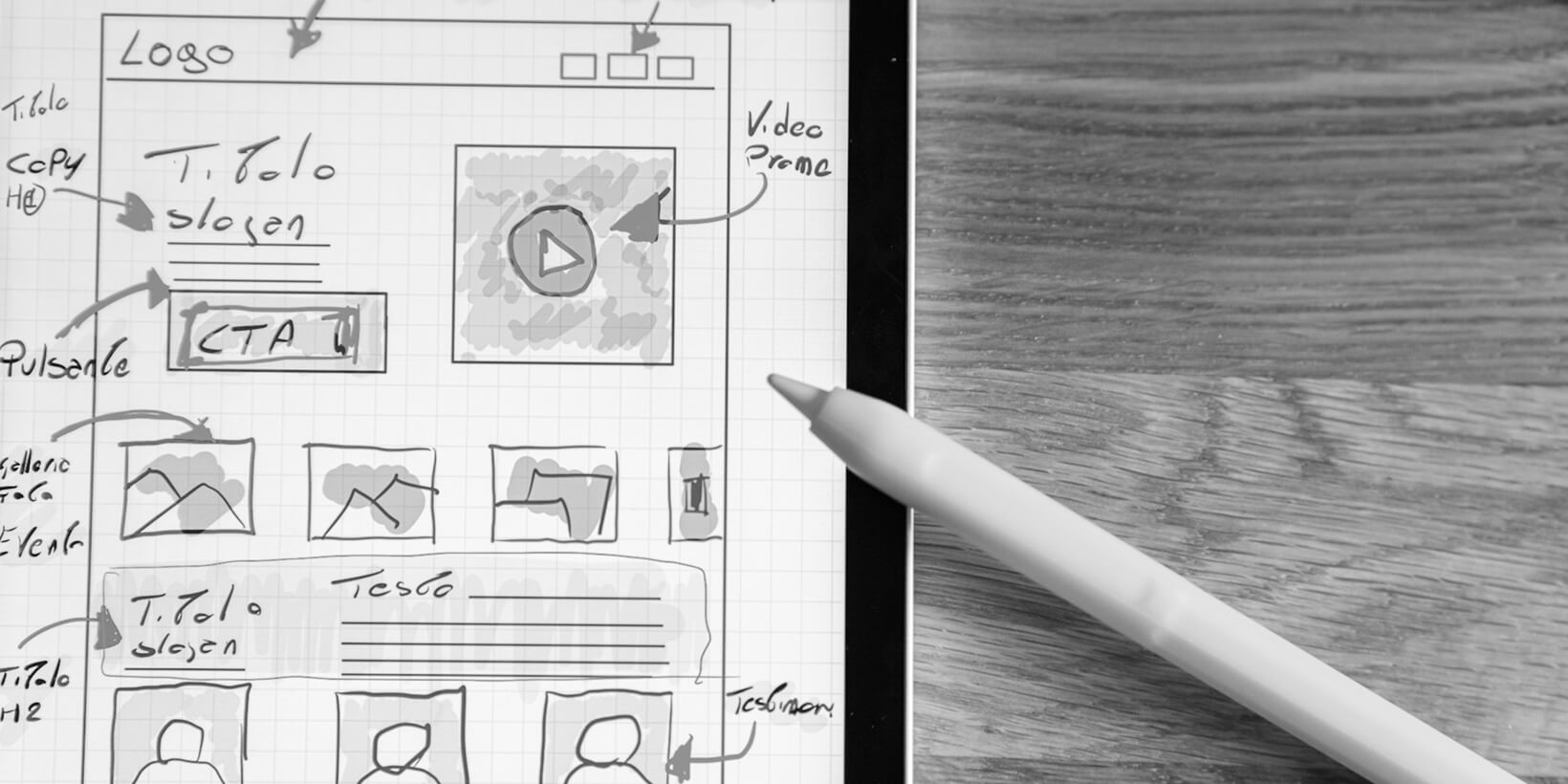
When different agencies hand you mockups that look similar on the surface, the difference between them usually lives behind the scenes. That is what a great website is built on.
Discovery: The Invisible Foundation
Before anything is designed, there is a phase of asking questions, such as:
- Who is the website for and what are they trying to do when they land on it?
- What are the business goals and what are the results you expect the website to achieve?
- What are competitors getting right, and where are they falling short?
The discovery phase might sound boring and redundant for the client, but it is the foundation every later decision sits on, from the structure of the homepage to the wording of a single button. Skip this step, and the design team is essentially guessing.
Information Architecture: The Map Before the Building
Once business goals and user needs are clear, the next step is deciding what the site needs, what belongs on each page, and how everything connects. The output is a detailed pages-and-features document, often paired with a diagram of the site’s structure. On more complex projects, the work extends into wireframes, rough layouts that show where each element goes.
This is the stage where hierarchy, flow, and content placement are settled, before the conversation moves to aesthetics, where changing direction becomes much harder. Architecture determines whether a visitor finds what they came for in three seconds or gives up in twenty.
Copywriting: Words Before Layout
Copy is the part most often rushed. In a strategic process, the copy is written, or at least drafted, before the visual design begins. The reason is simple: layout follows content, not the other way around. A headline of three words and a headline of fifteen words need different designs. Decide the words first, then design the container that holds them.
Design Systems and Handoff: Future-Proofing Your Website
A website is rarely finished when it launches. Over the next few years, content will change, the business will evolve, new pages will need to be built. The question that decides how painful and costly those updates will be is whether the design was prepared for that future.
A strategic design process produces more than a set of mockups. It produces a design system, a library of reusable components, colors and typography that any future change can be built from, along with organized design files and clear documentation.
When this stage is done well, the website you paid for keeps working for years.
Two websites can look the same on the surface and be very different underneath.
How they work, and the results they produce come from the questions, the structure, the words, and the systems that let the design keep evolving. It rarely shows up in a screenshot, but it is what separates one that just launches from one that keeps doing its job for years.